


The first five minutes of a structure fire can define the next fifty. For fire officers and aspiring officers, effective fireground command begins with the ability to size up the incident, communicate clearly, establish priorities, assign resources, and stay ahead of rapidly changing conditions.

Your first radio report does more than announce your arrival, it begins building the incident for everyone listening.

The size-up is complete.
The initial radio report is transmitted.
Now comes the next critical question: What do you do with the resources arriving behind you?
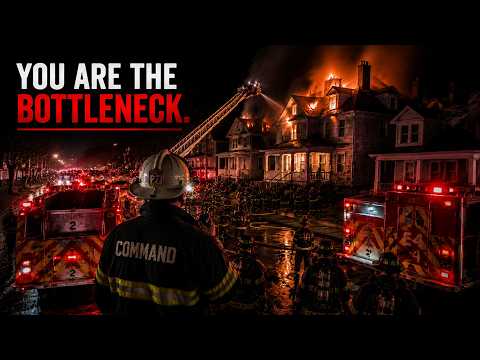
When the incident grows, Command has to grow with it.
A fireground can quickly become overwhelming as additional engines, trucks, rescues, and chief officers arrive.
More resources mean more radio traffic, more information, and more decisions—and if every company continues reporting directly to the Incident Commander, Command can become the bottleneck.

What’s the difference between a Division and a Group in the Incident Command System?
It’s simple:
DIVISION = WHERE
Divisions are geographic areas of responsibility.
GROUP = WHAT
Groups are functional assignments that can operate wherever needed to accomplish the mission.

You're sitting in a Fire Lieutenant promotional interview, and the board asks: “One of your firefighters refuses a direct order in front of the crew. What do you do?”